


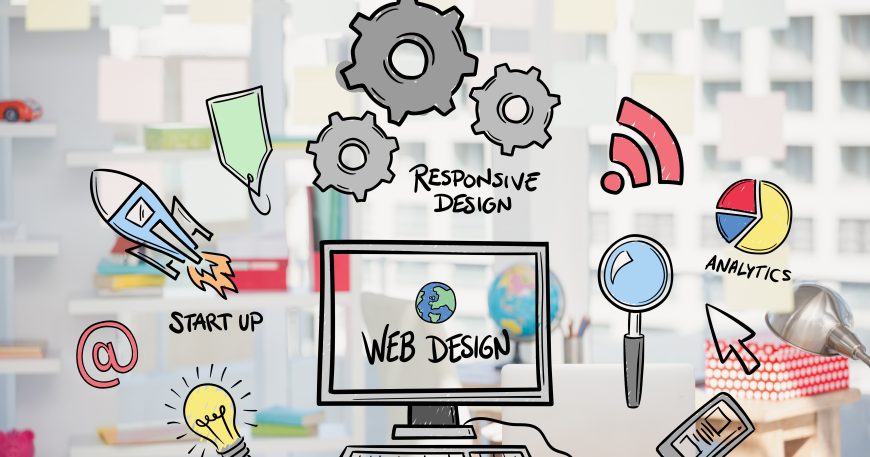
In today’s digital age, a strong online presence is crucial for businesses of all sizes. At the heart of this presence lies the design of a company’s website. Website design is more than just aesthetics; it involves creating a user-friendly interface that enhances user experience, improves functionality, and drives engagement. Let’s explore why website design is vital and the key elements that contribute to an effective website.
First Impressions Matter
Your website is often the first point of contact between your business and potential customers. A well-designed website can create a positive first impression, conveying professionalism and trustworthiness. Conversely, a poorly designed website can deter visitors and damage your brand’s reputation. The layout, color scheme, typography, and overall visual appeal play significant roles in shaping this first impression.
User Experience (UX)
User experience is a critical aspect of website design. It refers to how users interact with and experience your website. A well-designed website ensures that users can easily navigate through the pages, find the information they need, and complete desired actions (such as making a purchase or contacting you) with minimal effort. Key elements of good UX design include:
- Intuitive Navigation: Menus and links should be logically organized and easy to find.
- Fast Load Times: Users expect websites to load quickly. Slow load times can lead to high bounce rates.
- Mobile Responsiveness: With more people accessing websites from mobile devices, a responsive design that adapts to different screen sizes is essential.
- Accessibility: Your website should be accessible to all users, including those with disabilities. This includes using alt text for images and ensuring that the site is navigable via keyboard.
Search Engine Optimization (SEO)
An effective website design also incorporates SEO best practices. SEO involves optimizing your website to rank higher in search engine results, making it easier for potential customers to find you. Some SEO-friendly design elements include:
- Clean Code: Well-organized and clean HTML/CSS code helps search engines crawl and index your site more efficiently.
- Keyword Integration: Using relevant keywords in your content, headings, and meta descriptions improves your site’s visibility.
- Mobile-Friendly Design: As mentioned, mobile responsiveness is a ranking factor for search engines.
- Fast Load Times: Search engines favor websites that load quickly.
Brand Consistency
Your website should reflect your brand’s identity consistently. This means using your brand’s colors, fonts, and logos throughout the site. Consistent branding helps build recognition and trust with your audience. Additionally, your website’s tone and style should align with your overall brand voice, whether it’s professional, casual, friendly, or authoritative.
Call to Action (CTA)
A good website design includes clear and compelling CTAs. CTAs guide users towards taking specific actions, such as signing up for a newsletter, making a purchase, or contacting your business. Effective CTAs are visually prominent, use action-oriented language, and are strategically placed throughout the website.
Content is King
While design is crucial, content is equally important. High-quality, relevant content keeps users engaged and encourages them to spend more time on your site. This can include blog posts, product descriptions, testimonials, case studies, and more. Regularly updating your content also signals to search engines that your site is active and relevant.
Visual Hierarchy
Visual hierarchy refers to the arrangement of elements on a page in a way that guides the user’s eye to the most important information first. This can be achieved through size, color, contrast, and positioning. For example, headlines and key information should be more prominent than secondary details. A well-established visual hierarchy enhances readability and ensures that users can quickly grasp the main points.
Trust and Credibility
Finally, your website should establish trust and credibility with visitors. This can be achieved through:
- Professional Design: A polished, professional look instills confidence.
- Testimonials and Reviews: Displaying customer feedback builds trust.
- Security Features: Features like SSL certificates and secure payment gateways reassure users that their data is safe.
Conclusion
Website design is a multifaceted discipline that combines aesthetics, functionality, and user experience. A well-designed website can significantly impact your business by attracting and retaining customers, improving your search engine rankings, and enhancing your brand’s credibility. Investing in professional website design is not just about looking good online; it’s about creating an effective digital platform that drives business success.

