


In today’s digital age, having a well-designed website is crucial for businesses and individuals alike. Whether you’re a small business owner, a blogger, or a large corporation, your website serves as a digital storefront, a hub for your online presence, and often the first impression potential customers have of your brand.
A good website design can enhance user experience, improve your site’s search engine ranking, and ultimately drive more conversions.
But what exactly goes into creating a great website? This guide will explore the essential elements of website design, why it matters, and how you can create a site that truly stands out.
Understanding the Basics of Website Design
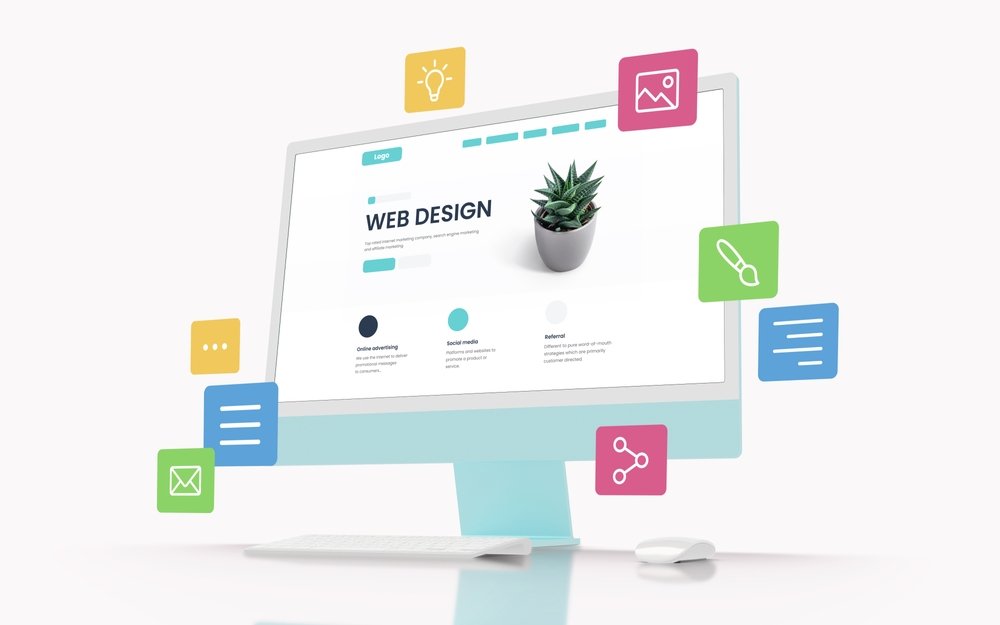
Website design is the process of planning, conceptualizing, and arranging content intended for the internet. It encompasses several different aspects, including webpage layout, content production, and graphic design.
Websites are created using HTML (Hypertext Markup Language), CSS (Cascading Style Sheets), and often additional programming languages like JavaScript.
Key Elements of Website Design
1. Layout
The layout is the arrangement of content on a page. It should be intuitive and user-friendly, allowing visitors to find information easily.
2. Color Scheme
The choice of colors should reflect your brand identity and enhance readability. A cohesive color palette can make your site aesthetically pleasing.
3. Typography
Fonts should be easy to read and consistent across the site. Good typography enhances user experience and ensures accessibility.
4. Navigation
Simple and clear navigation helps users find what they need quickly. This includes menus, links, and search functionality.
5. Content
High-quality, relevant content is crucial. It should be engaging, informative, and regularly updated to keep visitors coming back.
6. Responsiveness
A responsive design ensures your website looks and functions well on all devices, including desktops, tablets, and smartphones.
Importance of User Experience (UX)
User experience (UX) focuses on the overall feel of the user while interacting with your website. Good UX design is crucial for keeping visitors engaged and encouraging them to take desired actions, such as making a purchase or signing up for a newsletter.
Tips for Enhancing UX
- Simplify Navigation: Use clear labels and organize content logically.
- Fast Load Times: Ensure your site loads quickly to prevent users from leaving.
- Consistent Design: Maintain a consistent look and feel throughout the site.
- Clear Calls to Action (CTAs): Guide users towards the next step with prominent CTAs.
- Accessible Design: Make your site accessible to users with disabilities by following best practices, such as using alt text for images and ensuring keyboard navigation.
The Role of SEO in Website Design
Search engine optimization (SEO) is essential for increasing the visibility of your website in search engine results. A well-designed website incorporates SEO strategies from the outset to drive organic traffic.
SEO Best Practices
- Keyword Research: Identify and use relevant keywords naturally in your content.
- Meta Tags: Use descriptive titles and meta descriptions for each page.
- Image Optimization: Use alt tags and optimize image sizes for faster loading.
- Internal Linking: Create a logical link structure to help users and search engines navigate your site.
- Mobile Optimization: Ensure your site is mobile-friendly to improve search rankings.
Real-Life Applications and Success Stories
To illustrate the impact of effective website design, consider the story of an e-commerce business that revamped its website. By improving navigation, optimizing for mobile, and enhancing the checkout process, they saw a 40% increase in sales within six months. This highlights how thoughtful design can directly influence business outcomes.
Tools and Resources for Designing Your Website
There are many tools available to help you create a stunning website, whether you’re a beginner or an experienced designer.
Popular Website Builders
- Wix: Known for its ease of use and drag-and-drop functionality.
- Squarespace: Offers beautiful templates and a seamless user experience.
- WordPress: Highly customizable and ideal for more complex sites.
Design Tools
- Adobe XD: Great for creating wireframes and prototypes.
- Canva: User-friendly for designing graphics and visual content.
- Figma: A powerful tool for collaborative design work.
Engaging Anecdotes
Imagine a small bakery that struggled with online orders due to a confusing website layout. By hiring a designer to simplify the site and add clear product images, they increased online sales by 50% in just a few months. This demonstrates the tangible benefits of investing in quality design.
Future Trends in Website Design
As technology evolves, so do website design trends. Staying updated with these trends can keep your site competitive.
Emerging Trends
- Voice Search Optimization: As voice-activated devices become more popular, optimizing for voice search is essential.
- Minimalist Design: Clean, simple designs with plenty of white space are becoming more prevalent.
- Dark Mode: Many users prefer dark mode for its aesthetic and energy-saving benefits.
Conclusion
Website design is a critical component of your online presence, influencing how users perceive and interact with your brand. By focusing on user experience, SEO, and staying updated with the latest trends, you can create a website that not only looks great but also performs well.
The practical benefits of a well-designed website include increased traffic, improved user engagement, and higher conversion rates. As you embark on your web design journey, remember that continuous improvement and adaptation are key to success.
For further reading, consider exploring resources like online design courses, blogs on the latest web trends, and design-focused podcasts. By investing time in learning and applying best practices, you can ensure your website remains a powerful tool in your digital arsenal.

