


In the fast-paced world of digital marketing, understanding how to effectively guide potential customers from initial awareness to final purchase is crucial.
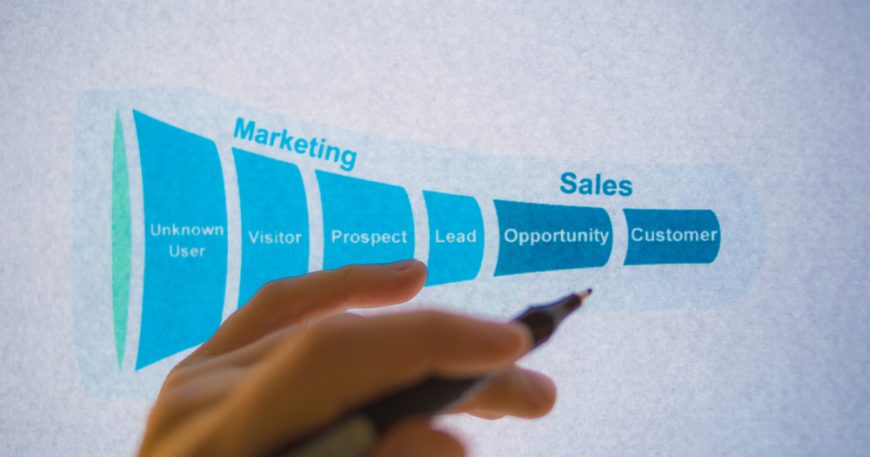
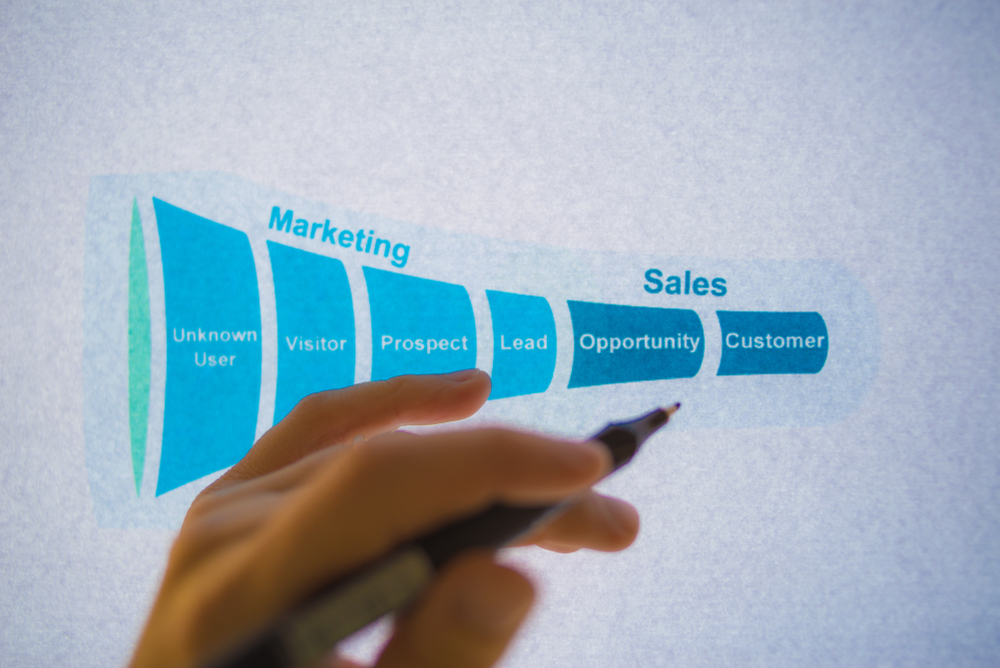
This journey, often referred to as the digital marketing funnel, is a strategic model that illustrates the stages a consumer goes through before making a purchase.
Whether you’re a seasoned marketer or a business owner trying to boost online sales, mastering the digital marketing funnel can significantly impact your marketing success.
The relevance of the digital marketing funnel lies in its ability to help marketers create targeted strategies for each stage of the buyer’s journey.
By breaking down the process into manageable phases, businesses can better understand consumer behavior, tailor their messaging, and optimize their marketing efforts.
This blog post will delve into the different stages of the digital marketing funnel, provide real-life examples, and offer practical tips for maximizing its effectiveness.
1. Awareness Stage: Capturing Attention
The awareness stage is the top of the digital marketing funnel, where potential customers first learn about your brand or product. At this point, the primary goal is to capture attention and create brand awareness. Strategies often include content marketing, social media campaigns, SEO, and paid advertising.
Key Strategies:
- Content Marketing: Publish blog posts, videos, infographics, and other valuable content that addresses the pain points of your target audience.
- Social Media: Use platforms like Facebook, Instagram, LinkedIn, and Twitter to share engaging content and connect with your audience.
- SEO: Optimize your website and content for search engines to increase visibility and attract organic traffic.
- Paid Advertising: Invest in PPC campaigns on Google Ads or social media platforms to reach a broader audience.
Example:
A fitness brand might create blog posts on topics like “10 Tips for Starting a Home Workout Routine” or “The Benefits of a Healthy Lifestyle” to attract health-conscious individuals searching for related information online.
2. Interest Stage: Building Engagement
Once potential customers are aware of your brand, the next step is to generate interest and engage them. This stage involves nurturing leads by providing more detailed information and showcasing the benefits of your products or services.
Key Strategies:
- Email Marketing: Send personalized emails with valuable content, special offers, and updates to keep your audience engaged.
- Webinars and Live Events: Host informative webinars or live Q&A sessions to demonstrate your expertise and interact with potential customers.
- Social Proof: Share customer testimonials, reviews, and case studies to build trust and credibility.
Example:
The fitness brand could offer a free downloadable eBook titled “Ultimate Guide to Home Workouts” in exchange for email sign-ups, thereby capturing leads and providing valuable content to keep them interested.
3. Consideration Stage: Persuading Potential Customers
In the consideration stage, potential customers are evaluating different options and comparing your offerings with competitors. Your goal is to persuade them that your product or service is the best choice.
Key Strategies:
- Product Demonstrations: Create demo videos or interactive content that showcases how your product works and its unique features.
- Comparisons and Buying Guides: Publish articles or videos comparing your products to competitors, highlighting your strengths.
- Retargeting Ads: Use retargeting campaigns to remind visitors of your product and bring them back to your site.
Example:
The fitness brand could create comparison videos showing how their workout programs are more effective or convenient than competitors, helping potential customers make an informed decision.
4. Intent Stage: Encouraging Action
At this stage, potential customers have shown a strong interest in your product and are likely to make a purchase. Your focus should be on encouraging them to take action, whether it’s making a purchase, signing up for a free trial, or contacting your sales team.
Key Strategies:
- Clear Call-to-Actions (CTAs): Use prominent and persuasive CTAs on your website, emails, and ads to guide users towards conversion.
- Limited-Time Offers: Create a sense of urgency with special discounts, flash sales, or limited-time offers.
- Live Chat and Support: Provide instant support through live chat to answer any questions and assist in the purchasing process.
Example:
The fitness brand could offer a limited-time discount on their premium workout program, with a clear CTA like “Get 50% Off Today – Limited Time Offer!” to encourage immediate action.
5. Purchase Stage: Converting Leads to Customers
The purchase stage is where the conversion happens. Potential customers become actual customers by completing a purchase. Ensuring a smooth and positive buying experience is crucial for customer satisfaction and retention.
Key Strategies:
- Simplified Checkout Process: Optimize your checkout process to be quick and user-friendly, reducing friction and cart abandonment.
- Secure Payment Options: Provide multiple secure payment methods to accommodate different customer preferences.
- Follow-Up Emails: Send order confirmation and thank-you emails to acknowledge the purchase and provide additional information or offers.
Example:
The fitness brand should ensure that their checkout process is seamless, with options like one-click purchasing, multiple payment gateways, and post-purchase follow-up emails to thank the customer and offer additional resources or discounts on future purchases.
6. Loyalty Stage: Building Long-Term Relationships
After the purchase, the focus shifts to retaining customers and fostering loyalty. Loyal customers are more likely to make repeat purchases and refer your brand to others, providing long-term value.
Key Strategies:
- Customer Onboarding: Provide a comprehensive onboarding process to help customers get the most out of your product.
- Loyalty Programs: Implement loyalty programs that reward repeat purchases, referrals, and engagement.
- Regular Communication: Keep in touch with customers through newsletters, exclusive offers, and personalized recommendations.
Example:
The fitness brand could offer a loyalty program that rewards customers with points for every purchase, which can be redeemed for discounts or free products. Regular communication through personalized emails can keep customers engaged and encourage repeat purchases.
7. Advocacy Stage: Turning Customers into Brand Advocates
The final stage of the digital marketing funnel is advocacy, where satisfied customers become brand advocates, promoting your product through word-of-mouth and online reviews.
Key Strategies:
- Encourage Reviews and Testimonials: Ask satisfied customers to leave reviews and share their experiences.
- Referral Programs: Create referral programs that incentivize customers to refer friends and family.
- Social Media Engagement: Engage with customers on social media, share user-generated content, and highlight customer success stories.
Example:
The fitness brand could feature customer testimonials on their website and social media channels, encouraging happy customers to share their success stories. A referral program offering discounts for both the referrer and the referee can also drive new customer acquisition through word-of-mouth.
Conclusion
Understanding and effectively utilizing the digital marketing funnel is essential for guiding potential customers through their buying journey and ultimately converting them into loyal advocates.
By strategically targeting each stage—awareness, interest, consideration, intent, purchase, loyalty, and advocacy—businesses can optimize their marketing efforts and achieve sustainable growth.
In summary, the digital marketing funnel helps marketers:
- Capture attention through engaging content and SEO strategies.
- Build interest with personalized email marketing and social proof.
- Persuade potential customers using product demonstrations and comparisons.
- Encourage action with clear CTAs and limited-time offers.
- Convert leads into customers by providing a seamless purchasing experience.
- Foster loyalty through customer onboarding and loyalty programs.
- Turn customers into advocates by encouraging reviews and referrals.
For further reading, explore resources on advanced funnel strategies, customer journey mapping, and the latest trends in digital marketing.
By continually refining your approach and staying updated with industry developments, you can ensure your digital marketing funnel remains effective and aligned with your business goals.

